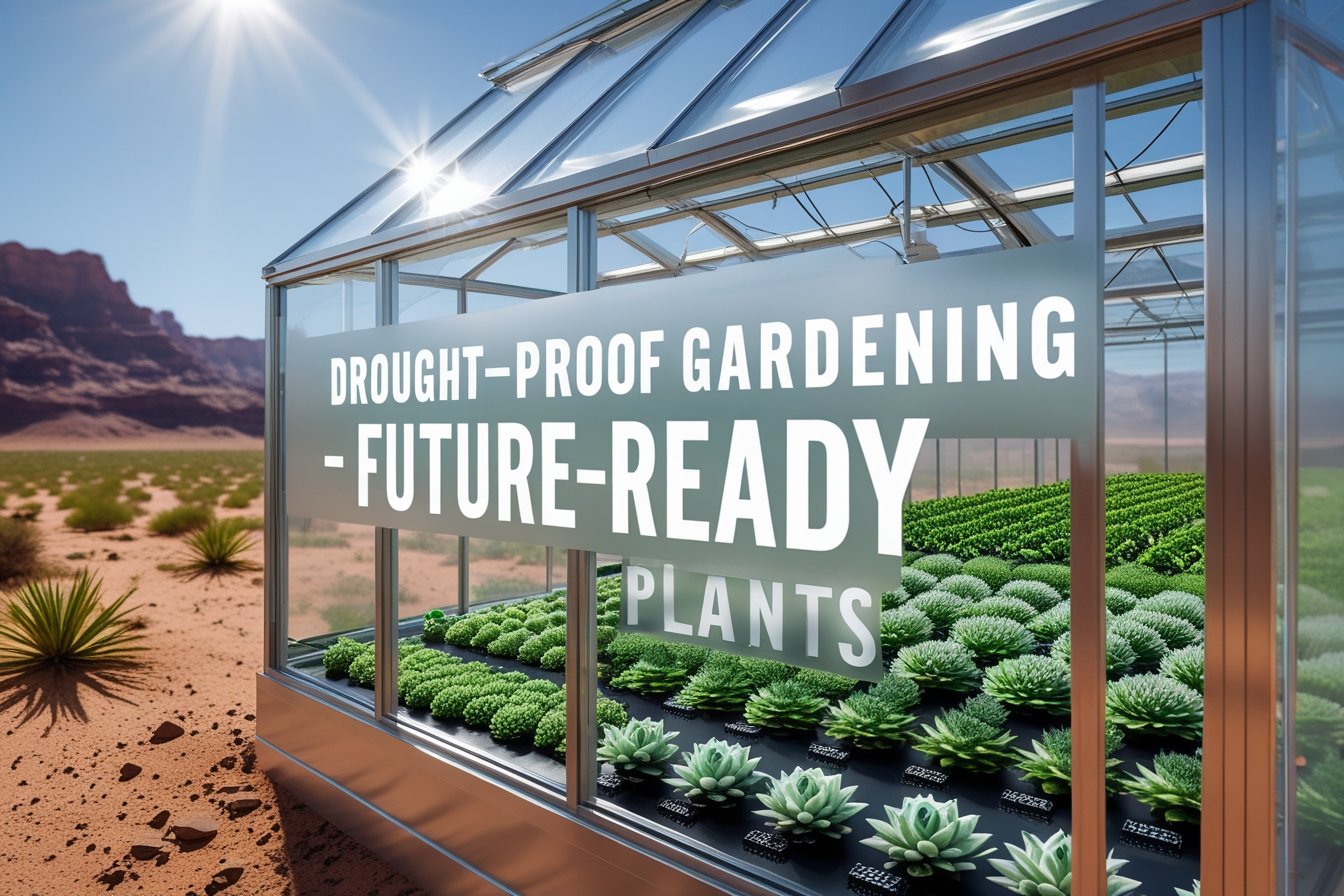
Drought-Proof Gardening | Future-Ready Plants
Imagine stepping into a lush, vibrant garden that never wilts, even under a relentless sun. Welcome to the art of drought-proof gardening, where future-ready plants turn water scarcity from a threat into a triumph. As climate change tightens the taps on rainfall and water costs surge, mastering these strategies isn’t just eco-savvy, it’s garden-savvy. In this guide, you’ll discover how to reengineer your soil, select indestructible species, and deploy smart water-saving tricks, all while crafting a landscape that flourishes through dry spells and delights the senses year-round.
Redefining Your Garden’s DNA:
At its core, drought-proof gardening shifts the paradigm from fighting nature to working with it. Instead of battling bare soil that bakes under the sun, imagine a living tapestry of plants that self-regulate moisture, supported by soil engineered to hold every precious drop. This approach appeals not only to eco-conscious gardeners but to anyone who values beauty without backbreaking upkeep. By reframing your garden as an ecosystem, where plants, soil, and water interplay harmoniously, you lay the groundwork for a resilient landscape that thrives in arid conditions.
Traits of Water-Wise Plants:
Not all greenery can laugh in the face of drought. Future-ready plants share specific adaptations that let them endure dry cycles:
- Deep or widespread root systems that tap underground moisture veins
- Waxy, hairy, or silvery foliage to reflect sunlight and minimize transpiration
- Succulent tissues and bulbous structures for internal water storage
- Reduced leaf surfaces or finely dissected leaves to lower evaporative area
These traits, honed by evolution, allow species like lavender and rosemary to not only survive but thrive on minimal irrigation. Understanding these survival mechanisms helps you choose plants that fit your climate zone and soil type, rather than forcing thirsty ornamentals into an arid battle they can’t win.
Building a Moisture-Conserving Foundation:
Even the toughest drought-tolerant plants need a supportive medium. Transform thirsty earth into a water-retentive sponge with these tactics:
- Amend clay or sandy soils with generous amounts of compost or well-rotted manure to boost organic matter and water-holding capacity.
- Apply a 2–4 inch layer of organic mulch, shredded bark, straw, or cocoa hulls, to suppress weeds, regulate soil temperature, and slow evaporation.
- Create shallow basins or swales around planting beds to capture rainwater runoff and direct it to the roots.
- Incorporate biochar or water-retaining crystals into the top 6–8 inches of soil to lock in moisture and release it slowly.
A soil that holds moisture is the unsung hero of any water-wise landscape. Nurture it, and your future-ready plants will reward you with drought-proof vigor.
Spotlight on Future-Ready Varieties:
Choosing the right species is the linchpin of drought-proof gardening. Here are standout contenders that combine low water needs with high visual impact:
- Lavender (Lavandula spp.): Fragrant spikes, silver foliage; thrives in hot, sandy soils.
- Russian Sage (Perovskia atriplicifolia): Airy purple plumes, aromatic leaves; deer-resistant and pollinator-friendly.
- Aster (Symphyotrichum spp.): Daisy-like blooms from late summer through fall; tolerates various soils and heat.
- Penstemon (Beardtongue): Tubular flowers in vibrant hues; ideal for rock gardens and borders.
- Rudbeckia (Black-Eyed Susan): Golden daisy-type flowers that withstand full sun and drought.
- Sedum (Stonecrop): Succulent groundcover or tall upright forms; perfect for xeriscaped beds and containers.
- Agave & Yucca: Architectural succulents with minimal water needs; dramatic focal points in minimalist designs.
Mix perennials, shrubs, and succulents for season-long interest. Group plants by water needs, “hydrozones”, to tailor irrigation and ensure each variety gets just the right amount.
Smart Irrigation & Mulch:
Even water-wise landscapes benefit from targeted hydration. Sophisticated yet simple systems include:
- Drip Irrigation: Delivers water directly to root zones, cutting waste by up to 50% compared to overhead sprinklers.
- Soaker Hoses: Flexible tubing that seeps water evenly along its length, ideal for vegetable rows or hedges.
- Automated Timers & Moisture Sensors: Prevent overwatering by triggering irrigation only when soil moisture dips below set thresholds.
- Seasonal Deep Watering: Encourage deep roots by watering infrequently but thoroughly, once every 7–10 days rather than daily.
Complement these with a fresh mulch layer each spring and fall. Mulch not only conserves moisture but also improves soil structure as it breaks down, reinforcing your garden’s long-term drought resilience.
Seasonal Tactics for Drought Defense:
A truly drought-proof garden adapts through the seasons:
- Spring Planting Window: Establish future-ready plants in cooler, wetter shoulder seasons to give roots time to spread before summer heat.
- Summer Shade & Ventilation: Use temporary shade cloth over newly planted areas and prune overcrowded foliage to improve air flow.
- Autumn Mulch & Cutbacks: After plants enter dormancy, top-dress beds with compost and leave stalks standing through winter to protect crowns.
- Winter Moisture Monitoring: In regions with freezing winter rains, ensure beds drain well and avoid heavy mulch that can invite rot.
By aligning cultivation practices with plant life cycles, you maintain vigor and minimize supplemental watering, even during extended dry spells.
Conclusion:
Drought-proof gardening transforms scarcity into opportunity, empowering you to cultivate a stunning, low-maintenance landscape that stands resilient as climates shift. From reimagining soil as a moisture reservoir to selecting future-ready plants and deploying savvy irrigation, every strategy coalesces into a living tapestry that thrives on minimal water. Embrace these principles, and your garden will not only endure but dazzle, inspiring neighbors and safeguarding precious resources for seasons to come.
FAQs:
1. What exactly is drought-proof gardening?
It’s designing and managing a garden with soil, plants, and systems that thrive on minimal supplemental water.
2. How long before drought-tolerant plants establish?
Most need regular watering for the first 6–12 months; once roots settle, they require little irrigation.
3. Can I convert my existing garden to drought-proof?
Yes—start by improving soil with compost, mulching heavily, and gradually replacing thirsty plants with drought-wise varieties.
4. Is drip irrigation better than sprinklers?
Absolutely. Drip systems deliver water directly to roots, reducing evaporation losses by up to 50%.
5. What’s the best mulch for water conservation?
Organic mulches—shredded bark or straw—are ideal. They cool the soil, suppress weeds, and enrich the bed as they decompose.
6. Do succulents need winter protection?
Some cold-sensitive succulents require frost protection; others (like sedum) can handle mild freezes—check hardiness zones.